 Food
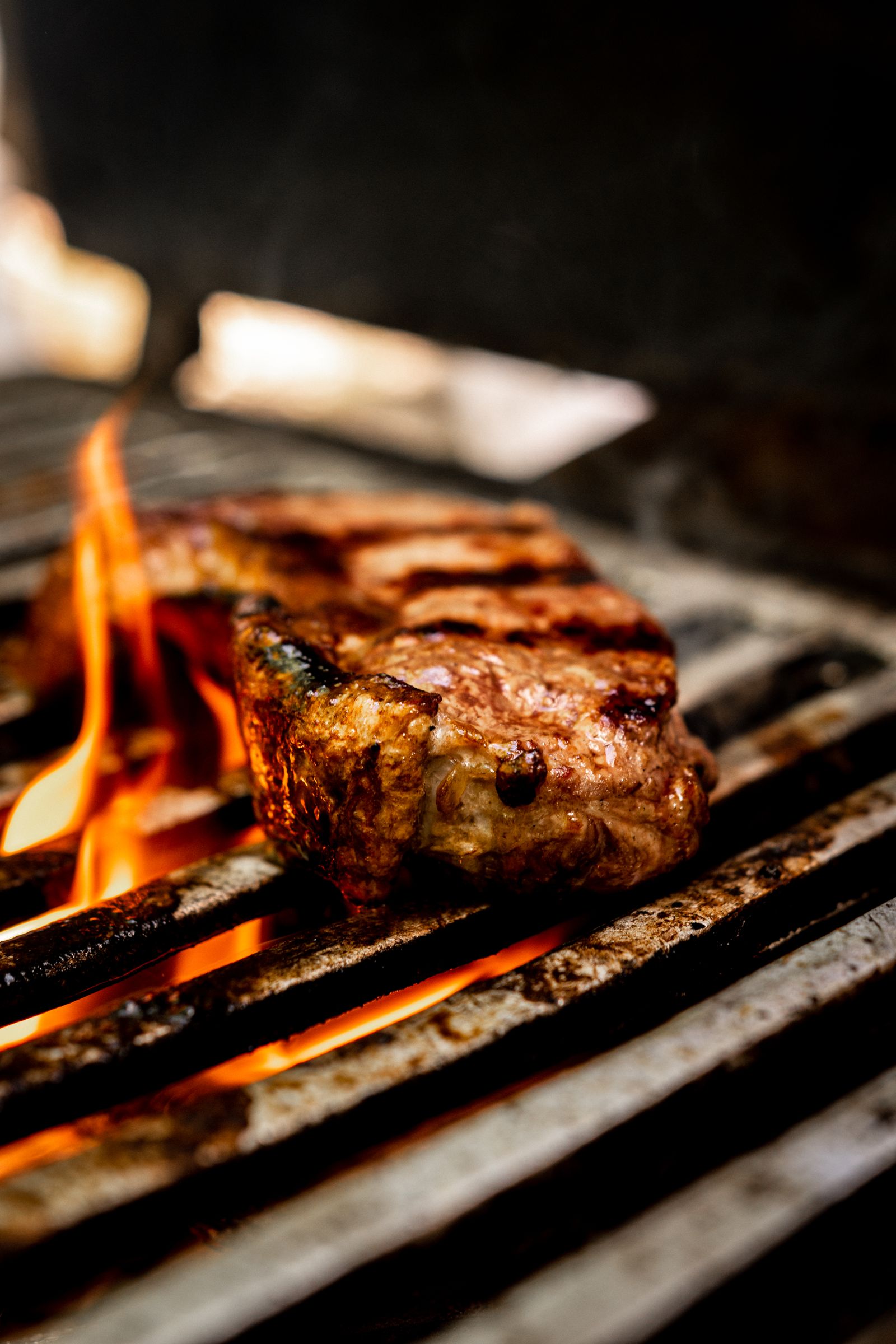
Food Everything tastes better outside — but fire cooking is not luck, it is heat management. The difference between a charred-outside, raw-inside disappointment and a steak your whole campsite talks about is about twenty centimetres of grill height and five minutes of patience.
Build your fire an hour before you want to eat, and cook over coals, never flames. Flames soot and scorch; coals give you the steady, glowing bed that sears evenly. Bank the coals to one side for a hot zone and leave the other side nearly empty for gentle finishing.
The kit that earns its weight
- A small cast-iron skillet — heavy, yes, and worth every gram for heat retention.
- Long tongs and a leather glove — your hands will thank you by day three.
- A two-zone fire — sear hot, finish cool, rest always.
Salt early, pepper late. Salt needs time to dissolve into the meat; pepper burns over open flame and turns bitter.
The two-hour marinade
At home before you leave, bag your steaks with olive oil, crushed garlic, rosemary and coarse salt. Two hours minimum, overnight ideally. On the trail, let the meat come up to the ambient temperature for thirty minutes before it meets the grill — cold centres are the enemy.
Sear two minutes a side over the hottest coals, move to the cool zone until the juices run clear-ish — then rest the meat for half its cooking time under a loose foil tent. Slice against the grain, finish with flaky salt, and eat it sitting on a rock while the sun does whatever it is doing. That is the whole recipe.

WRITTEN BY
Food & culture writer
Daniel cooked in mountain refuges for six years before trading the pass for a notebook. He writes about fire, markets and the meals that anchor a journey.