 Activities
 Some lakes you cross. Others you read like weather — every cove a paragraph, every headwind a plot twist. After a decade of paddling alpine water, these are the ten I return to in conversation and, whenever I can, in person.
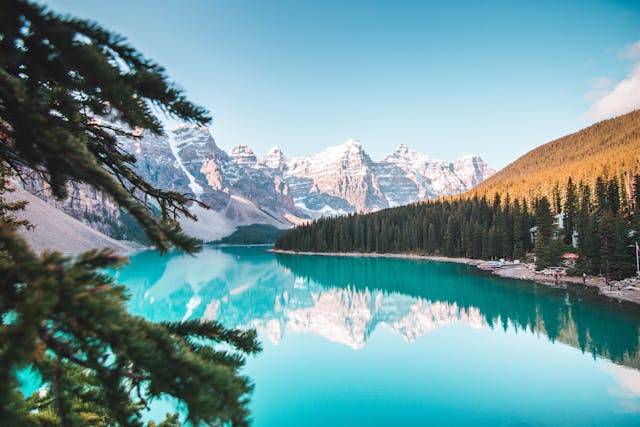
The list mixes the famous with the nearly secret: a turquoise giant in the Canadian Rockies, a crater lake in the Andes you reach only on foot, and a reed-fringed lowland mere where the loudest sound is a heron clearing its throat.
What makes a lake a paddler's lake
Length matters less than edge. The best lakes have complicated shorelines — islands to thread, narrows that funnel the breeze, beaches that appear only when the water drops. You want put-ins you can drive to and take-outs you have to earn.
Launch at first light. The wind almost always wakes an hour after you do, and the glass belongs to whoever arrives first.
The short list
- Mirror Tarn — a dawn paddle under a wall of granite; be off the water by eleven when the katabatic wind starts.
- Reedmere — flat, forgiving, perfect for a first overnight with a deck full of camera gear.
- Bluebowl Crater — a two-day hike in, a swim you will talk about for years, a paddle you will never forget.
- Fjordwater North — cold, deep and serious; for experienced paddlers in dry suits only.
The remaining six — from a Scottish loch with a bothy on its shore to a desert reservoir that glows at dusk — are detailed with put-in coordinates, seasonal windows and the nearest pie shop in the full route notes we send to newsletter readers each spring.
Paddle them kindly
Alpine lakes are fragile. Clean your hull between watersheds, keep soaps and sunscreens out of the shallows, and give nesting birds the whole bay. The next paddler's glass-calm morning depends on yours.

WRITTEN BY
Trail & outdoors writer
Marcus has spent eleven seasons guiding backpacking trips across three continents. He writes about skills, routes and the quiet discipline of travelling light.