 Nature
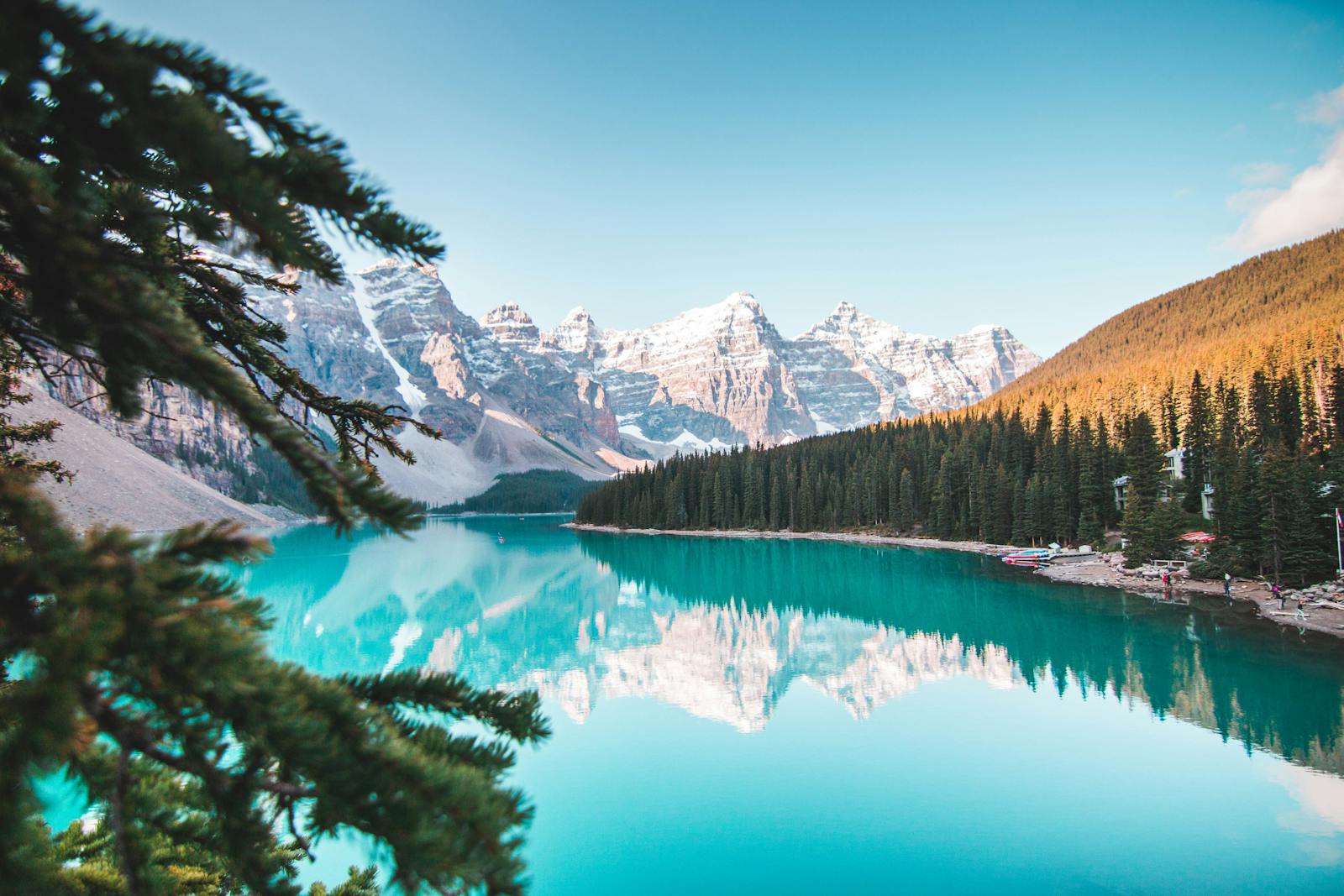
 There is a ten-minute window, just after sunrise, when an alpine lake stops being water and becomes a second sky. The peaks double themselves, the pines stand twice, and you hold your breath without deciding to.
That mirror is physics, not magic: cold night air pooled in the basin, no thermal wind yet, and a shoreline of rock that sheds no sediment. Your job is simply to be there before the day disturbs it — which means an alpine start and a headlamp walk in the dark.
Reading the water
Turquoise means rock flour — glaciers grinding bedrock to powder so fine it floats, scattering blue-green light back at you. The colour peaks in late summer when melt is highest. After heavy rain the same lake turns milky grey; still beautiful, but a different photograph.
Photograph the reflection, then put the camera down and watch it with your actual eyes. The file will never hold the cold air.
Shooting the mirror
- Arrive 30 minutes before sunrise — the pre-dawn glow on the peaks is the shot, not the sun itself.
- Get low — kneel at the shoreline so the reflection fills the frame and the far shore disappears.
- Bracket your exposures — bright snow and dark pines exceed any sensor's range in one frame.
And then the ethics. These shores see thousands of boots a season. Stay on rock, never stack cairns for photographs, and keep drones grounded where they are banned — which is most national parks. The mirror was here before us; our only task is to leave it that way.

WRITTEN BY
Editor-in-chief, nature & culture
Elena founded Driftwood Dispatch after a decade as a field correspondent. She covers wild landscapes and the cultures that tend them.